

The Prestige of Ivy League Schools Explained
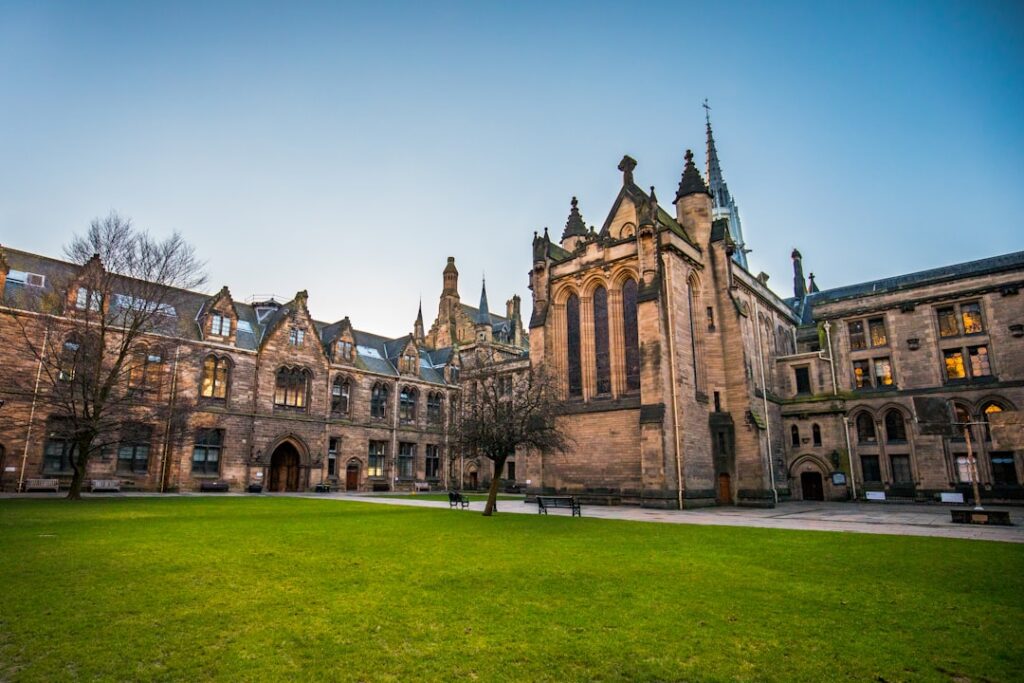
The Ivy League is synonymous with prestige and excellence in higher education. These schools are known for their rigorous academics and influential alumni. But what exactly makes them so special?
Understanding the Ivy League’s history and unique characteristics can shed light on their esteemed reputation. These institutions have a long-standing tradition of academic excellence and societal impact.
The Ivy League’s influence extends beyond the classroom, shaping leaders and innovators across various fields. Their selective admissions process and powerful alumni networks further enhance their allure.
In this article, we will explore the factors that contribute to the Ivy League’s prestige. We’ll also compare them to other prestigious institutions and discuss the concept of “New Ivies.”
What Is the Ivy League? Origins and History
The Ivy League comprises eight prestigious private colleges in the Northeastern United States. These schools are renowned for their high academic standards and rich history. The term “Ivy League” originated from an athletic conference established in 1954.
The league’s formation was based on agreements for athletic competition between these schools. Over time, the term “Ivy League” has come to represent academic excellence, exclusivity, and prestige.
Each Ivy League institution boasts a unique history that contributes to its reputation. From early American colonial times, these schools have been at the forefront of education and research.
The prestige of the Ivy League can be traced back to several key factors:
- Historical significance and traditions
- Consistent academic excellence
- Influential alumni and leadership
- Extensive resources and financial endowments
This combination of history and excellence distinguishes Ivy League schools from other institutions. Understanding their origins helps explain their enduring reputation and influence in both academic circles and society at large.
The Eight Ivy League Schools: An Overview
The Ivy League consists of eight distinguished institutions. Each of them has a reputation for academic excellence and historical significance.
Harvard University
Located in Cambridge, Massachusetts, Harvard is the oldest university in the U.S. It’s known for its pioneering research and influential alumni.
Yale University
Yale, situated in New Haven, Connecticut, is renowned for its law and drama programs. Its vibrant campus life adds to its appeal.
Princeton University
Princeton offers a strong focus on undergraduate education. It is famous for its beautiful campus and its Woodrow Wilson School of Public and International Affairs.
Columbia University
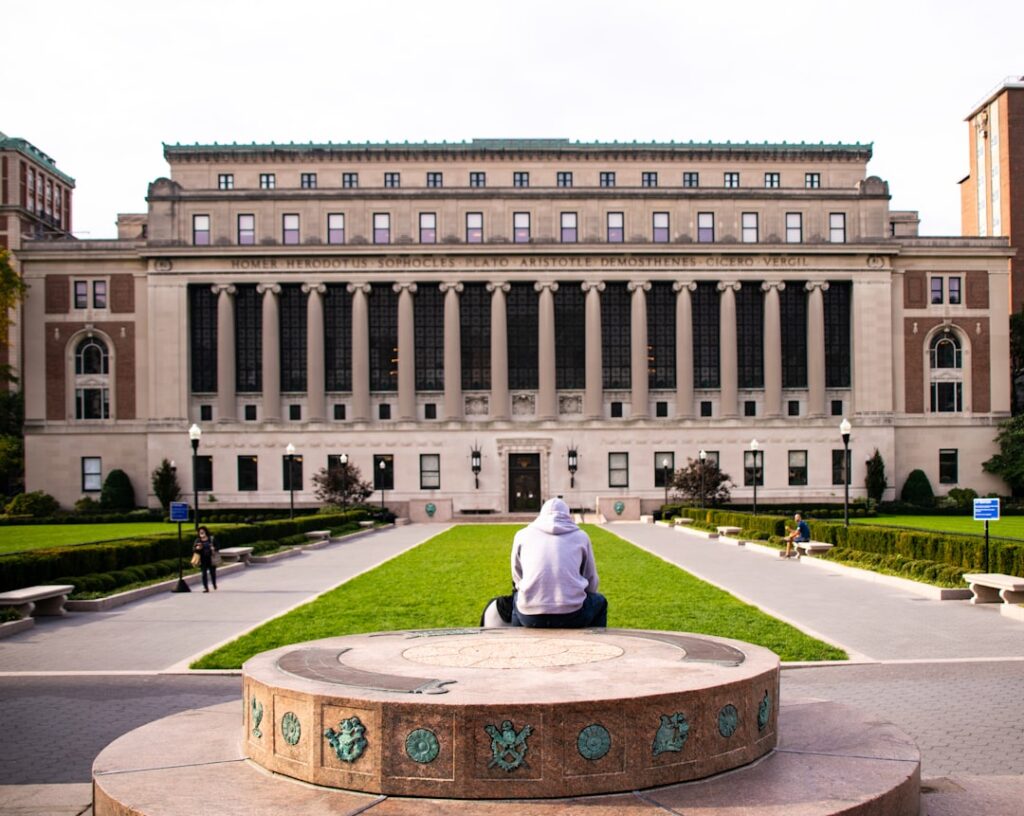
Columbia is in New York City. It’s known for its diverse academic offerings and influential journalism school. Yes, it is indeed an Ivy League institution.
University of Pennsylvania
Known for its Wharton School, Penn offers robust programs in business and management. It’s located in Philadelphia, Pennsylvania.
Dartmouth College
Dartmouth is smaller than the other Ivies and is situated in Hanover, New Hampshire. It emphasizes a liberal arts education.
Brown University
Brown, in Providence, Rhode Island, is lauded for its open curriculum, allowing students to chart their educational paths.
Cornell University
Cornell, located in Ithaca, New York, is the only Ivy League school founded after the American Revolution. It offers a wide range of programs.
These schools share common traits but offer unique opportunities and environments:
- Rich academic programs
- Strong research initiatives
- Diverse cultural experiences
Each Ivy League institution has a distinct identity, contributing to its prestige and the collective reputation of the Ivy League.

What Makes Ivy League Schools Unique?
Ivy League schools have a distinct blend of factors that set them apart. Their history, prestige, and academic rigor are unmatched. Each has a long-standing tradition of excellence.
These institutions maintain a selective admissions process, drawing the best talents globally. This ensures a high caliber of students and faculty in every field.
Unique Characteristics
- Academic Excellence: Known for rigorous coursework and research opportunities.
- Historic Campuses: Many Ivy campuses are historic and beautiful, adding to their charm.
- Diverse Programs: Offer a wide range of undergraduate and graduate courses.
- Cultural Impact: Influence extends to cultural, political, and social spheres.
- Networking Opportunities: Strong alumni networks that create lifelong connections.
The faculty at Ivy League schools includes leading scholars and researchers. Their work consistently pushes the boundaries of knowledge and innovation.
These schools emphasize a liberal arts education, preparing students not just for careers, but for life. This well-rounded education fosters critical thinking and adaptability.
The network and connections that students gain are invaluable. Alumni often take on significant roles worldwide, from government to business and beyond.
In essence, Ivy League schools uniquely combine tradition with innovation, setting a global benchmark for higher education excellence.
Why Are They Called Ivy League Schools?
The term “Ivy League” initially referred to an athletic conference formed in 1954. This name eventually became synonymous with elite education in the northeastern United States.
The nickname hints at the ivy-covered buildings on these historic campuses. It evokes images of prestige, old-world charm, and academic distinction.
Over time, Ivy League schools have become a symbol of excellence and exclusivity. Their name carries significant weight and prestige worldwide, signifying a tradition of unparalleled academic achievement and influence. This history and reputation continue to draw students and educators from around the globe, seeking the unique educational experience these schools offer.

The Prestige Factor: Reputation, Rankings, and Influence
Ivy League schools are consistently ranked among the best in global university assessments. Their reputation for academic rigor and excellence is renowned worldwide.
These schools’ prestigious nature stems from their significant contributions to research and innovation. Their faculty and students often lead breakthroughs in science, technology, arts, and humanities.
The influence of Ivy League schools extends beyond academia. They are significant players in politics, business, and cultural spheres, thanks to their powerful alumni networks.
Here are some factors contributing to their prestige:
- Historical significance and long-standing reputation
- Renowned faculty and strong academic programs
- Impressive alumni networks and industry connections
- Consistent top rankings in educational assessments
Such strengths attract top-tier talent from all over the world. This diversity enhances the learning experience, offering various perspectives that enrich intellectual discourse on campus.
The Ivy League’s prestige is not just about exclusive traditions; it’s about ongoing contributions to society. Their impact is evident in cultural shifts, policy influence, and thought leadership, helping shape the world.
Ivy League Admissions: Selectivity and Process
Admissions to Ivy League schools are famously competitive. Each year, many hopeful students apply, but only a few receive acceptance letters.
These schools use a holistic approach to evaluate candidates. Grades and test scores are just part of the process. They also consider extracurricular activities, leadership roles, and personal essays.
Ivy League schools look for individuals who demonstrate unique talents and drive. They seek students who will enrich the campus community with diverse experiences.
Key elements of the Ivy League admissions process include:
- Academic excellence demonstrated by high grades and test scores
- Strong personal essays showcasing character and aspirations
- Extracurricular involvement and leadership in varied fields
- Letters of recommendation highlighting personal strengths
The overall selectivity of Ivy League admissions ensures a diverse and talented student body. This competitive process contributes to the schools’ elite status and reputation.

The Power of Ivy League Alumni Networks
Ivy League alumni networks are influential and far-reaching. Graduates often maintain strong connections with their alma mater. These networks open doors to various opportunities.
Alumni from Ivy League schools occupy leadership positions across many industries. This widespread presence in business and government highlights their impact. Their shared experiences create valuable bonds and mentoring opportunities.
The benefits of Ivy League alumni networks include:
- Access to a broad range of professional resources
- Supportive community for career development and transitions
- Opportunities for collaboration in research and innovation
Alumni networks not only enhance career prospects but also strengthen the schools’ global influence. These networks are a testament to the lasting prestige of Ivy League institutions.
The “New Ivies” and Public Ivy League Schools
The “New Ivies” have gained attention for their academic excellence. They offer similar prestige without being part of the original Ivy League. Schools like Stanford and MIT often top these lists.
These institutions provide rigorous programs and vibrant campus cultures. Many students choose New Ivies for their innovative teaching methods. They also attract top-tier faculty and diverse student bodies.
Public Ivy League schools are another category. They include top public universities like the University of Michigan and the University of Virginia. These schools match the Ivy League in providing quality education.
Characteristics of New Ivies and Public Ivies include:
- High academic standards and competitive admissions
- Strong emphasis on research and innovation
- Notable alumni with global influence
These schools offer a compelling alternative to traditional Ivy League options. The rise of New and Public Ivies broadens choices for prospective students. This evolution enriches the landscape of higher education.
Ivy League vs. Other Prestigious Universities
Ivy League schools stand out for their historical legacy. Yet, other top universities also make a global impact. Schools like Stanford and MIT share a reputation for excellence.
These universities often have strengths in specific fields. For instance, Caltech is renowned for its engineering and technology programs. Meanwhile, Ivy League schools offer a broad liberal arts education.
Comparing Ivy League institutions with other esteemed universities:
- Ivy League: Emphasis on tradition and broad academics
- Other top universities: Focus on specialized fields and innovation
- Both: Attract diverse, talented students and faculty
Choosing between them depends on personal priorities and academic interests. Both provide unique opportunities and potential for growth.
Common Myths and FAQs About Ivy League Schools
The Ivy League name often carries myths, some true and others exaggerated. One common belief is that all Ivy League schools are in New England, which is not entirely accurate. They are mostly in the Northeastern U.S., but not exclusively in New England.
People also often wonder if Ivy League schools guarantee success. While many graduates do achieve high success, individual effort and motivation play significant roles.
Here are some frequently asked questions:
- Is Columbia University in the Ivy League?
- Are all Ivy League admissions purely merit-based?
- Do Ivy League schools only accept wealthy students?
These misconceptions arise from stereotypes and high expectations. Understanding each institution’s unique attributes helps clarify their realities.
The Ongoing Legacy and Future of the Ivy League
The legacy of Ivy League schools is woven into the fabric of higher education. These institutions continue to influence global education through their academic rigor, research contributions, and cultural impacts. The Ivy League sets standards and trends that resonate worldwide.
Looking ahead, the future of the Ivy League is poised for growth and adaptation. Emphasizing diversity, inclusivity, and innovation is crucial as they prepare future leaders in a rapidly changing world. The Ivy League remains at the forefront, shaping both education and society globally.